Computational pharmacology
1DrugAssist
Computational approaches and decision-support methods related to therapeutic options, drug-related questions, and evidence-informed decisions.
Kansas State University →Led through research at Kansas State University, 1Data connects data science, computational modeling, and veterinary expertise to address important challenges in human and animal health. We are refreshing our website while this work continues.
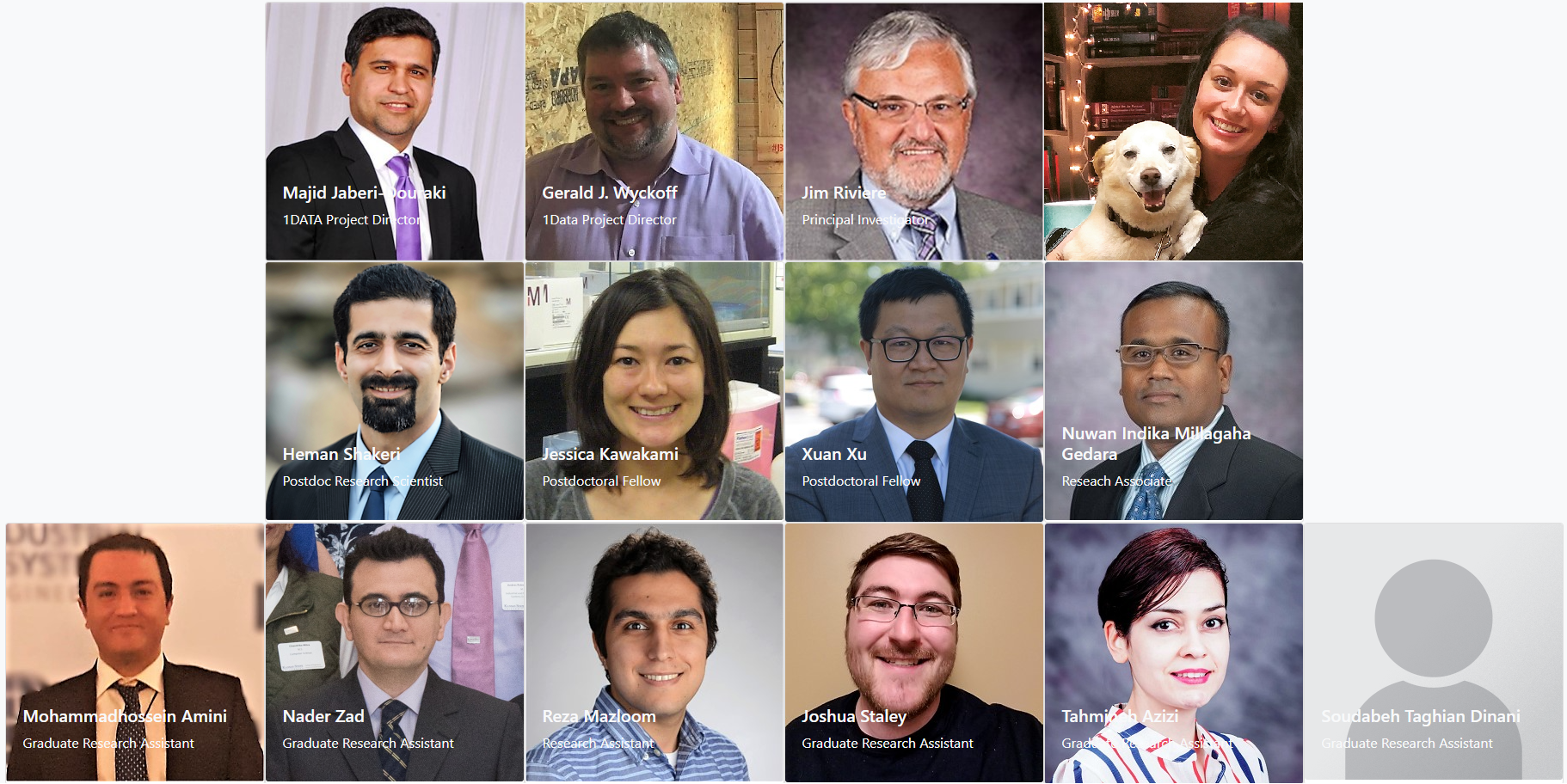
We’re improving the 1Data website and updating our resources. Thank you for your patience. In the meantime, please explore our research initiatives or contact our team.
Complex health challenges need connected expertise. 1Data supports collaborative, data-informed research that links scientific knowledge with practical applications for human and animal health.

Our research combines computational modeling, statistical analysis, machine learning, and domain expertise to turn complex datasets into evidence that can support practical decisions in human and animal health.
Our work includes pharmacovigilance and hematology research, computational approaches to drug safety, food-animal drug residue science, and data-driven monitoring of antimicrobial use. This site will be updated with additional project details, resources, and videos as the refresh continues.
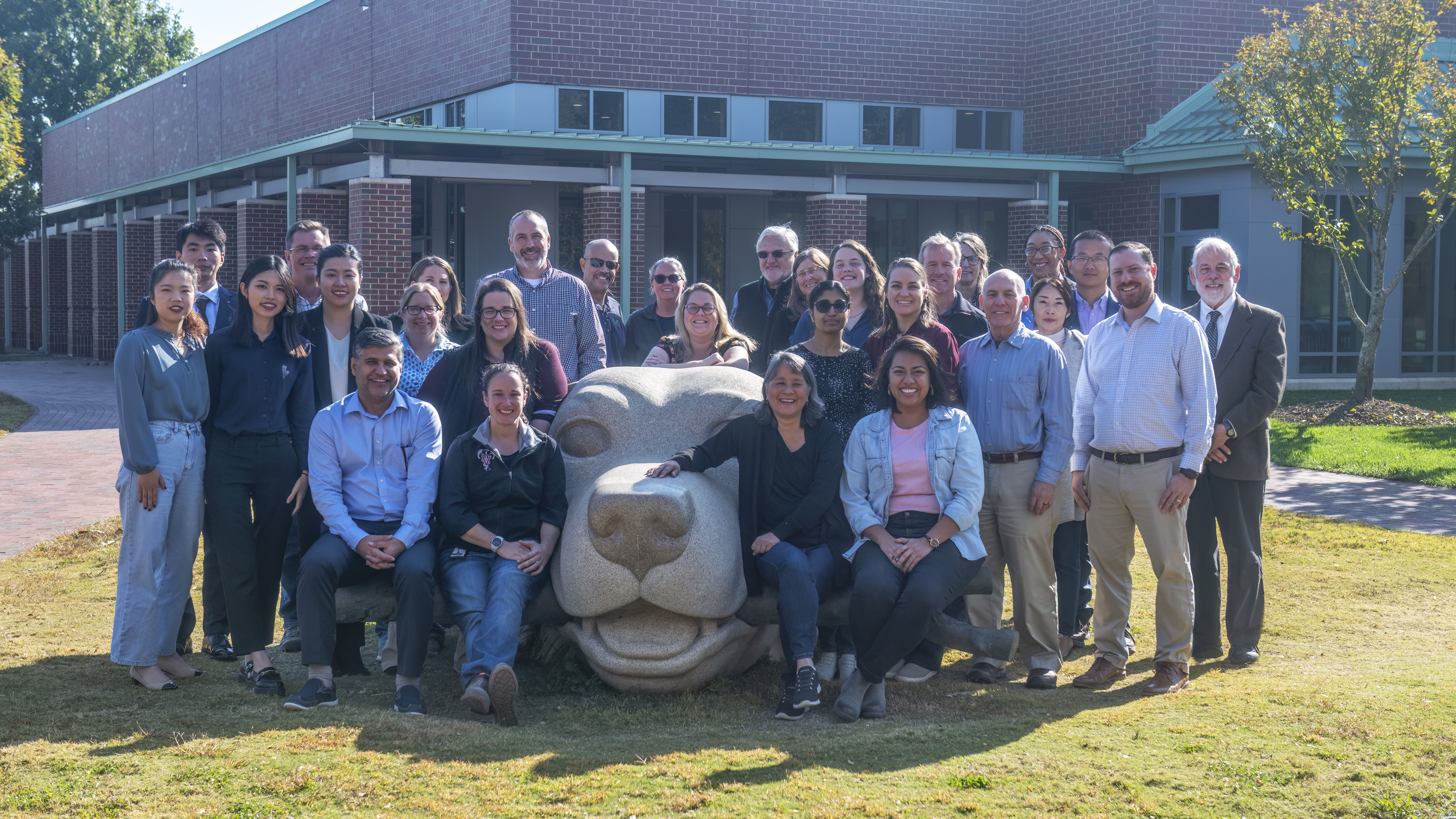
The FARAD annual meeting brings together representatives from the five FARAD regions and program partners from across the United States to share updates, discuss questions and workflows, and strengthen coordination in support of food-animal drug residue avoidance.
The meetings provide an opportunity to exchange regional experiences, discuss emerging needs, and identify future projects that can improve the resources and guidance available to veterinarians and animal agriculture.
2026 Annual Meeting: October 29–31, 2026 · Kansas State University Olathe campus, Olathe, Kansas.
Previous annual meetings have also brought the FARAD community together to review progress, share expertise, and plan the program's continued development. We look forward to documenting highlights from past meetings here.
Learn more about FARAD →Explore the initiatives associated with 1Data. Project information and links can be expanded as the website is updated.
Computational approaches and decision-support methods related to therapeutic options, drug-related questions, and evidence-informed decisions.
Kansas State University →
The Global Food Animal Residue Avoidance Databank provides science-based information supporting drug-residue avoidance and withdrawal interval decisions in food-producing animals.
Explore FARAD resources →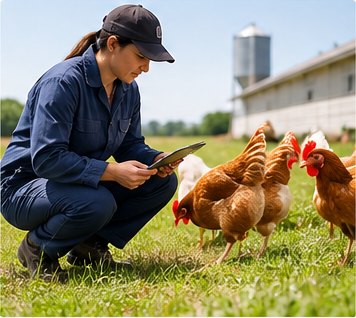
Kansas State University’s FDA-supported project is developing data-driven approaches to bring together existing antimicrobial-use information and create a dashboard of trends across livestock, poultry, and companion animals.
FDA project announcement →Project summaries are introductory descriptions. Detailed project pages and additional resources will be added as the site is refreshed.
Recent work applies pharmacovigilance, statistical analysis, and computational methods to study treatment-associated adverse events and outcomes in multiple myeloma and other hematologic malignancies.
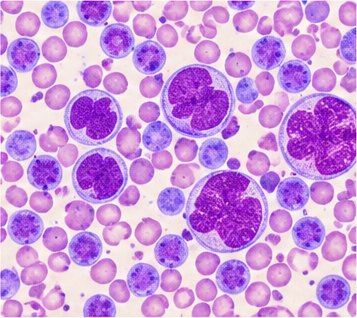
Multiple myeloma and global disparities. Published work has used openFDA adverse-event reports to examine geographic and demographic patterns in drug-related adverse events reported for multiple myeloma treatments.
Safety profiles of emerging immunotherapies. Computational pharmacovigilance approaches can help characterize reported safety signals for newer treatments and support further investigation of treatment-associated adverse events.
These analyses use real-world safety-reporting data to generate research questions and identify patterns. Spontaneous adverse-event reports have important limitations and cannot, on their own, establish causation or incidence.
The two original project videos can be embedded here once their links are available.
Antimicrobial-use data are essential for understanding how these medicines are used in animals and supporting responsible antimicrobial stewardship.
Kansas State University’s FDA-supported project, Bridging Critical Data Gaps in Veterinary Medicine via Artificial Intelligence and Advanced Large Language Models to Procure Real-Time Antibiotic Use Data in Livestock, Poultry and Companion Animals, brings together FARAD expertise and advanced data analytics.
The project aims to leverage existing data sources and computational methods to help make antimicrobial-use information more accessible and develop a dashboard for exploring trends across animal sectors. The cooperative agreement’s stated period of performance is September 2024 through August 2029.
Contact the 1Data team for information about our work and research initiatives.